
Focusing On The Conservation of Ecosystems, Habitats & Wildlife

In the Presence Of: Urban Wildlife

Water Monitors Along the Chao Phraya River
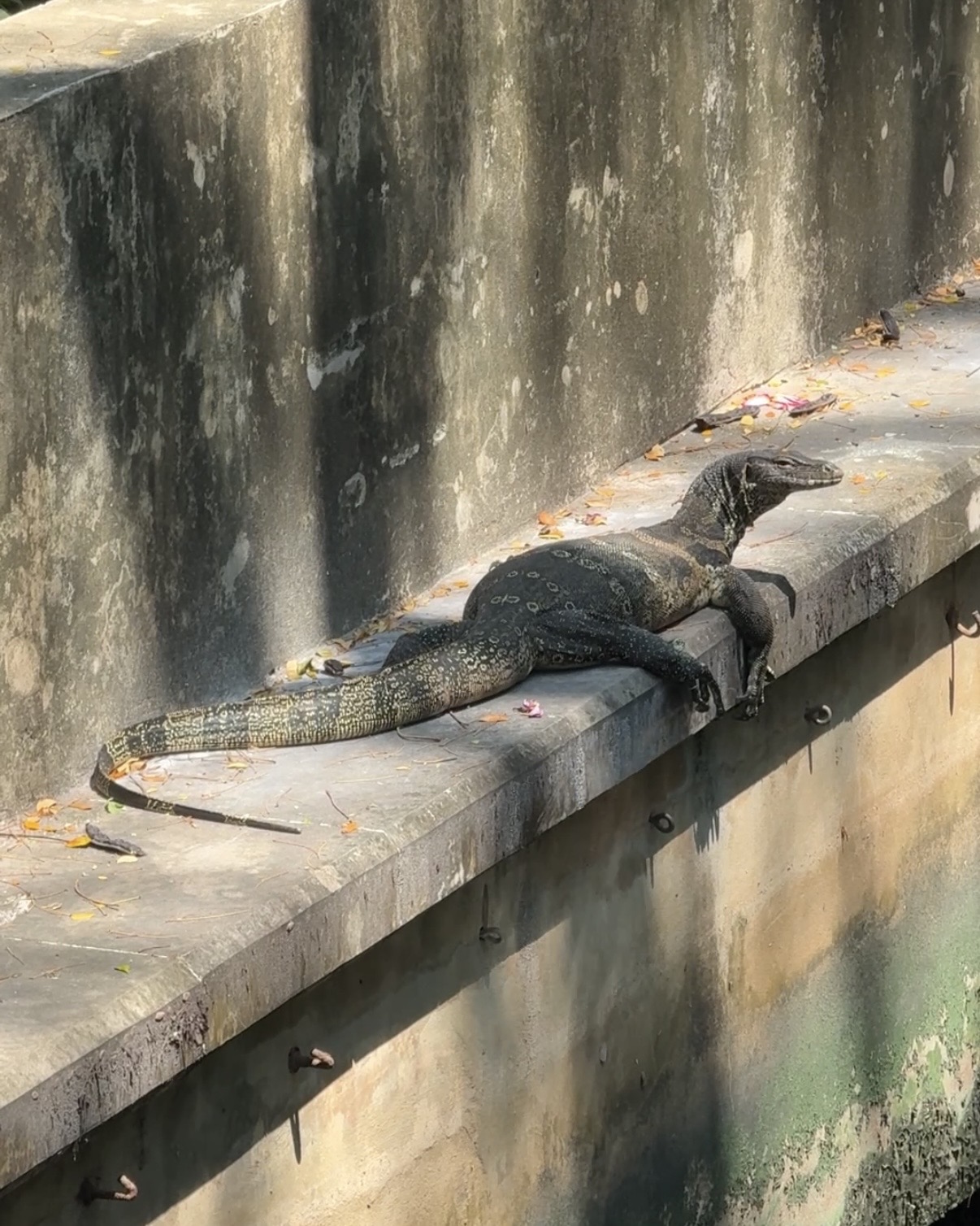
The banks of the Chao Phraya River, where water, vegetation, and city life intersect, creating quiet corridors for wildlife to move through an urban landscape.

Bangkok is often defined by movement, density, and sound. Yet along the edges of the Chao Phraya River, another rhythm persists. One shaped not by traffic or schedules, but by water levels, temperature, and instinct.

Urban waterways remain some of the last natural corridors through modern cities. Species that adapt to these spaces do not do so because cities are kind, but because rivers still offer access, cover, and continuity.


The Setting

The riverfront grounds near The Peninsula Bangkok sit at the meeting point of landscaped space and a living waterway. Here, Asian water monitors are occasionally seen moving along the riverbank, basking in shaded areas, or slipping quietly between vegetation and water.

Their presence is unscheduled and uncurated. They are not part of the setting. They move through it.


Walking Along the Riverbank

Observed moving calmly along the river’s edge, where wildlife and city life intersect without interaction.

Observation

Observed along the Chao Phraya River

What stood out most was not the size of the water monitor, but its composure. It moved slowly and deliberately, aware of its surroundings but unaffected by being seen.

There was no display and no reaction. The monitor followed the riverbank as it likely has for generations, guided by water, shade, and instinct rather than the city that has grown around it.

Urban Wildlife Snapshot

  • Asian water monitors are native to Southeast Asia and closely tied to river and wetland systems
  • They are strong swimmers and play an important role as scavengers within their ecosystems
  • Urban rivers act as essential wildlife corridors when natural habitats are reduced
  • Coexistence depends on tolerance, space, and the protection of water access

Urban wildlife survives not through accommodation, but through persistence.


Looking Back / Looking Forward

Looking Back

As cities expanded, rivers were often treated as infrastructure rather than ecosystems, fragmenting habitats and limiting wildlife movement.

Looking Forward

Protecting waterways, riverbanks, and green buffers allows species to continue navigating urban environments without forced interaction or conflict.


Why This Still Matters

Urban ecosystems challenge the idea that nature exists only in remote or protected places. When rivers remain intact, they sustain life far beyond what is immediately visible.

Protecting waterways preserves movement, balance, and the possibility of coexistence.


Ways to Help

  • Support urban river and waterway protection initiatives
  • Avoid feeding or approaching wild animals
  • Respect wildlife boundaries in shared spaces
  • Advocate for green corridors and habitat connectivity

Closing Reflection

Some encounters are not meant to be approached or interpreted. They are meant to be noticed and left undisturbed.

In the presence of urban wildlife, coexistence is defined not by closeness, but by restraint.


In the Presence of: Koalas

Gentle Lives, Fragile Habitats

A quiet, guided encounter at Currumbin Wildlife Sanctuary, where conservation, education, and animal well-being shape every interaction.

In the Presence Of: Koalas at Currumbin Wildlife Sanctuary

Being in the presence of koalas is not about closeness or novelty. It is about understanding how fragile their lives have become and how carefully human interaction must be managed. At Currumbin Wildlife Sanctuary, every encounter is structured to reduce stress, prioritize animal health, and reinforce the reality that conservation begins with restraint.


Koala Connections Experience

A guided koala experience shaped by distance, education, and respect where learning matters more than access.

Observation

Observed on site at Currumbin Wildlife Sanctuary, Queensland, Australia.

  • Encounters were structured, timed, and supervised by trained wildlife staff
  • Koalas were never removed from their trees or natural posture for interaction
  • Physical contact was brief, guided, and optional for the animal
  • Distance and handling limits were enforced to reduce stress
  • Education accompanied every interaction, emphasizing habitat protection and recovery

Ethical wildlife encounters prioritize the animal’s comfort and autonomy over human access.


Koala Care & Conservation Snapshot

  • Koalas are listed as Vulnerable on the IUCN Red List
  • Survival depends on specific eucalyptus species, making habitat loss especially damaging
  • Bushfires, land clearing, disease, and climate stress continue to reduce populations
  • Sanctuaries support conservation through rescue, rehabilitation, research, and education
  • Long-term protection depends on habitat preservation, wildlife corridors, and policy action

Protection is not about proximity. It is about preserving the systems that allow koalas to remain wild.


FOR YOUR AWARENESS

Koalas are listed as Vulnerable on the IUCN Red List, with some regional populations facing even higher risk. Habitat loss, bushfires, climate change, disease, and urban expansion continue to threaten their survival.

Koalas do not adapt easily to environmental change. Protecting them means protecting the eucalyptus forests they rely on without compromise or fragmentation.


Koalas and Conservation in Australia

Koalas are endemic to Australia, meaning they exist nowhere else on Earth. Their survival is directly tied to specific eucalyptus species, making them especially vulnerable to deforestation and land clearing.

Recent bushfires, combined with increasing development, have dramatically reduced suitable koala habitat. Even when koalas survive fires or displacement, fragmented forests make recovery difficult.

Modern conservation efforts focus on habitat preservation, wildlife corridors, medical care, and public education strategies that protect not just koalas, but entire ecosystems.


Interesting Facts About Koalas

  • Koalas sleep 18–22 hours per day, conserving energy for digesting eucalyptus leaves
  • Their diet consists almost entirely of specific eucalyptus species, many of which are toxic to other animals
  • Koalas have a highly specialized digestive system that allows them to process tough, fibrous leaves
  • They have fingerprints nearly indistinguishable from humans
  • Koalas are not bears, they are marsupials
  • Mothers carry their young (joeys) in a pouch for about six months
  • Koalas are excellent climbers and spend most of their lives in trees
  • Habitat fragmentation is one of the greatest threats to koala survival

Looking Back / Looking Forward

Looking Back
For many people, koalas are symbols of Australia. They are calm, gentle, and seemingly abundant.

Looking Forward
Today, their future depends on land-use decisions, climate action, and long-term habitat protection. Without intact forests, even the most well-known species can disappear quietly.


Why This Still Matters

Koalas are indicator species. When they struggle, it reflects broader environmental imbalance affecting countless other plants and animals.

Protecting koalas means protecting forests, biodiversity, and ecosystems that support life far beyond a single species. Their survival is inseparable from the health of the places they call home a truth echoed each year on World Habitat Day and every day in between.

Protecting koalas is inseparable from protecting the places they live and a reminder echoed each year on World Habitat Day.


Ways to Help

• Support organizations protecting koala habitat
• Advocate for responsible land use and conservation policy
• Support ethical wildlife education and rehabilitation programs
• Learn about native species and habitat preservation


Closing Reflection

Koalas remind us that gentleness does not equal resilience. Their survival depends not on adaptability but on our restraint.


Endangered Species Day

Why Protection Requires More Than Awareness

Animals are endangered in all areas of the world.  To measure their risk, IUCN (International Union for Conservation of Nature) which consists of thousands of conservation groups from around the world, publishes a Red List of threatened species every year.  

Endangered species are not disappearing quietly, they are responding to human pressure.

The Red List is broken down into 7 categories:  

Extinct (gone forever)

Extinct in the Wild (species survives only in zoos)

Critically Endangered (clinging on in the wild in tiny numbers)

Endangered (has larger populations, but are still at risks)

Vulnerable (will soon be endangered if not protected)

Near Threatened (species are not in danger)

Least Concern (appears to be safe for now)

What are you willing to fight for and why?

Endangered Habitats and Species

FOR YOUR AWARENESS

An endangered species is not simply rare, it is a species facing a real risk of extinction due to habitat loss, exploitation, climate change, or human conflict. Protection requires sustained effort long after awareness days pass.

Recognition without responsibility is not enough.


Looking Back / Looking Forward

Looking Back
When I first wrote this post, the term endangered already carried urgency, a warning that something irreplaceable was at risk.

Looking Forward
Today, the list of endangered species continues to grow. Conservation now depends on habitat protection, ethical engagement, and decisions that prioritize long-term survival over short-term convenience.


Why This Still Matters

Endangered species are not isolated cases. Their decline signals broader environmental imbalance affecting ecosystems, food chains, and ultimately human life.

Protecting endangered species means addressing root causes, not just symptoms.


Ways to Help

• Support conservation organizations working directly with endangered species
• Protect habitats locally and globally
• Avoid products tied to wildlife exploitation
• Share accurate, science-based information


Closing Reflection

Every species lost diminishes the whole.
Protection begins with awareness but it must continue with action and restraint.


In the Presence Of: Elephants in Chiang Mai

Being in the presence of elephants is not about access or novelty. It is about slowing down enough to meet them on their terms.

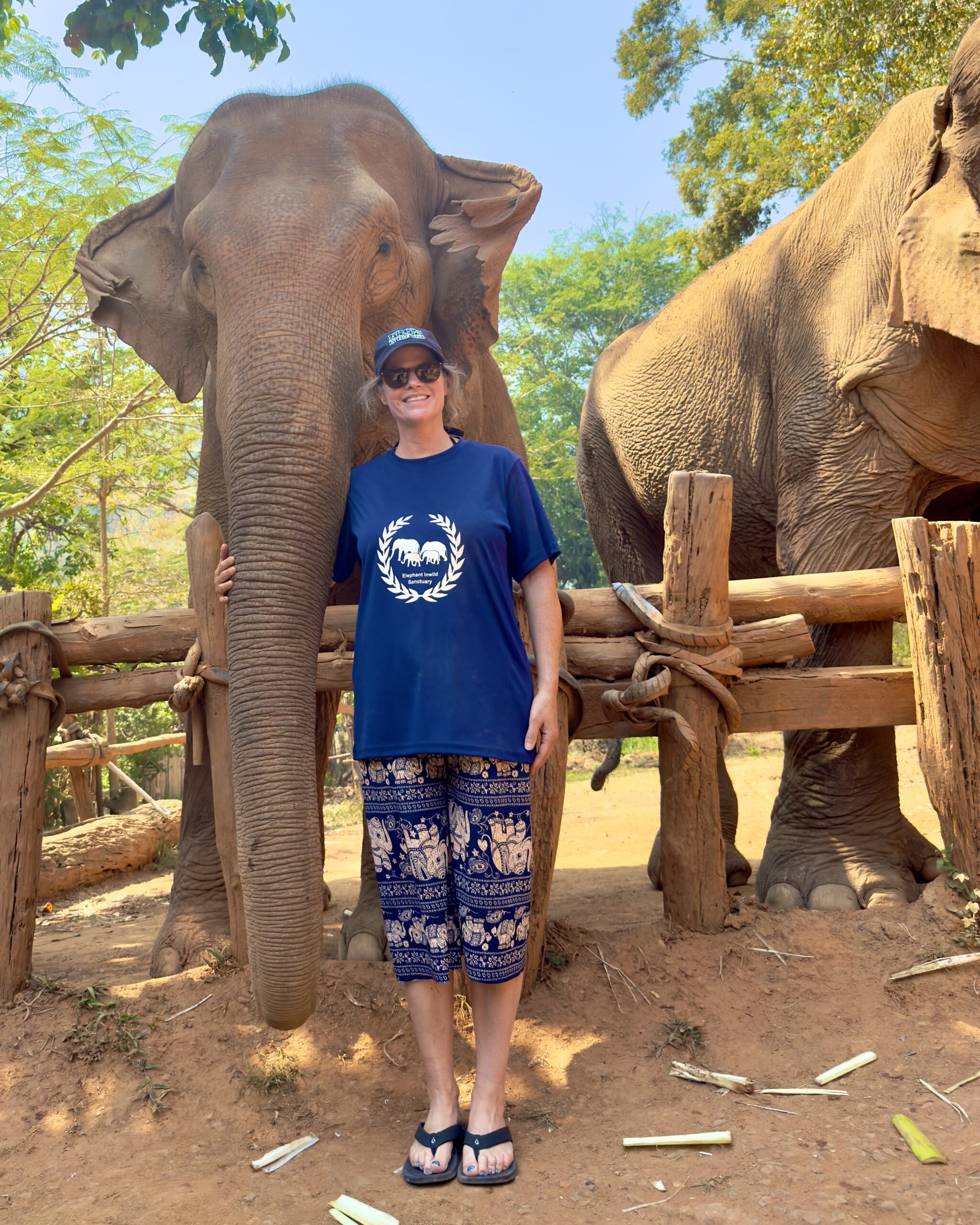
At Elephant In Wild Sanctuary in Chiang Mai, every part of the day was structured around consistency, calm, and predictability for the elephants. Before entering, we changed clothes and wore the same simple uniform a practice designed to reduce visual distraction, unfamiliar scents, and stress. It set the tone immediately: this was not about individuality or performance, but about respect.

Participation followed the elephants’ lead. Food preparation was part of daily care, offering insight into the time and attention required to nourish animals of this size and intelligence. Feeding was unhurried and optional, guided by the elephants’ interest rather than instruction.

Mud bathing and time in the river reflected natural behaviors rather than staged interaction. The elephants chose when to engage, when to move, and when to step away. In the water, there was no direction and no expectation only shared space. I captured a brief video from the river, not as a highlight, but as documentation of what coexistence can look like when humans step back.

A quiet moment in the river, where movement, pace, and proximity were always led by the elephants.

FOR YOUR AWARENESS

Ethical wildlife experiences are defined by structure, restraint, and the animal’s ability to disengage. Limited interaction can be appropriate when it supports care routines and when animals retain autonomy at every stage.

Ethical presence requires boundaries.


Routine care, not spectacle. Mud baths help protect elephants’ skin and regulate body temperature, and are part of daily health practices at ethical sanctuaries.

Elephant Care & Interaction Snapshot

Observed on site at Elephant In Wild Sanctuary, Chiang Mai.

  • Visitors changed into identical clothing to reduce visual and sensory disruption
  • Elephants were free to approach, engage, or disengage at any time
  • Food preparation supported nutrition and enrichment
  • Mud bathing reflected natural skin-care behavior
  • River time allowed elephants to move, cool, and socialize freely
  • No riding, performances, hooks, or forced behaviors were involved

Consistency and predictability are foundational to ethical care.


The Experience

Changing clothes and wearing the same uniform set the tone immediately. It removed self-consciousness and hierarchy, creating a shared baseline of respect and attentiveness. Once dressed, the experience unfolded slowly and quietly, guided by the elephants rather than instruction.

Preparing food offered insight into the scale and intention behind daily care. Feeding was calm and unhurried, shaped by each elephant’s interest and pace.

The mud bath was not a spectacle, but a shared moment of natural behavior. Participation was gentle and optional, and the elephants used the mud as they chose.

Being in the river with the elephants felt especially grounding. The water belonged to them. Movement was quiet, unstructured, and entirely dictated by the elephants’ comfort. I captured a short video from this moment not as a performance, but as documentation of coexistence when humans step back and listen.


Why This Detail Matters

Requiring visitors to change clothes may seem small, but it reflects a larger philosophy: ethical encounters prioritize predictability, reduced stress, and respect over convenience or aesthetics.


Closing Reflection

Standing in a river with an elephant without directing, touching, or expecting anything reframes the entire idea of connection. When elephants are given space, dignity, and choice, the experience becomes less about memory-making and more about presence.

Sometimes the most meaningful encounters happen when we allow the wild to remain wild even while standing beside it.


In the Presence Of: Coral Reefs

Quiet Protection Beneath the Surface

Inside a protected marine ecosystem at Bunaken National Marine Park, where conservation boundaries safeguard one of the most biodiverse reef systems on Earth.

Bunaken National Marine Park, located off the coast of North Sulawesi, Indonesia, is one of the world’s most biologically rich marine protected areas. Steep reef walls, vibrant coral systems, and dense fish populations exist here not by accident, but because protection is enforced, respected, and maintained over time.

Being in the presence of coral reefs inside a marine protected area shifts perspective. The reef is not scenery. It is a living system shaped by balance, restraint, and continuity, where human access is permitted only within limits that prioritize long-term survival over short-term experience.


The Setting

I stayed at Siladen Resort & Spa, which serves as a quiet base for low-impact diving inside the park. The dive operation and crew emphasized preparation, conservation protocols, and respect for the marine environment at every step.

During this trip, I completed my Nitrox certification, a training that allows for longer bottom times while supporting safer, more controlled diving. The focus was never on how much could be seen, but on how to move through the reef without disrupting it.


Entering Protected Waters

Entering protected waters, where preparation, training, and restraint matter more than speed.

Observation

Observed on site in Bunaken National Marine Park

Rolling backward off the dive boat marks a threshold moment. The noise of the surface disappears, movement slows, and awareness sharpens. Inside the park, the reef dictates the pace. There is no rushing, no chasing, no touching.

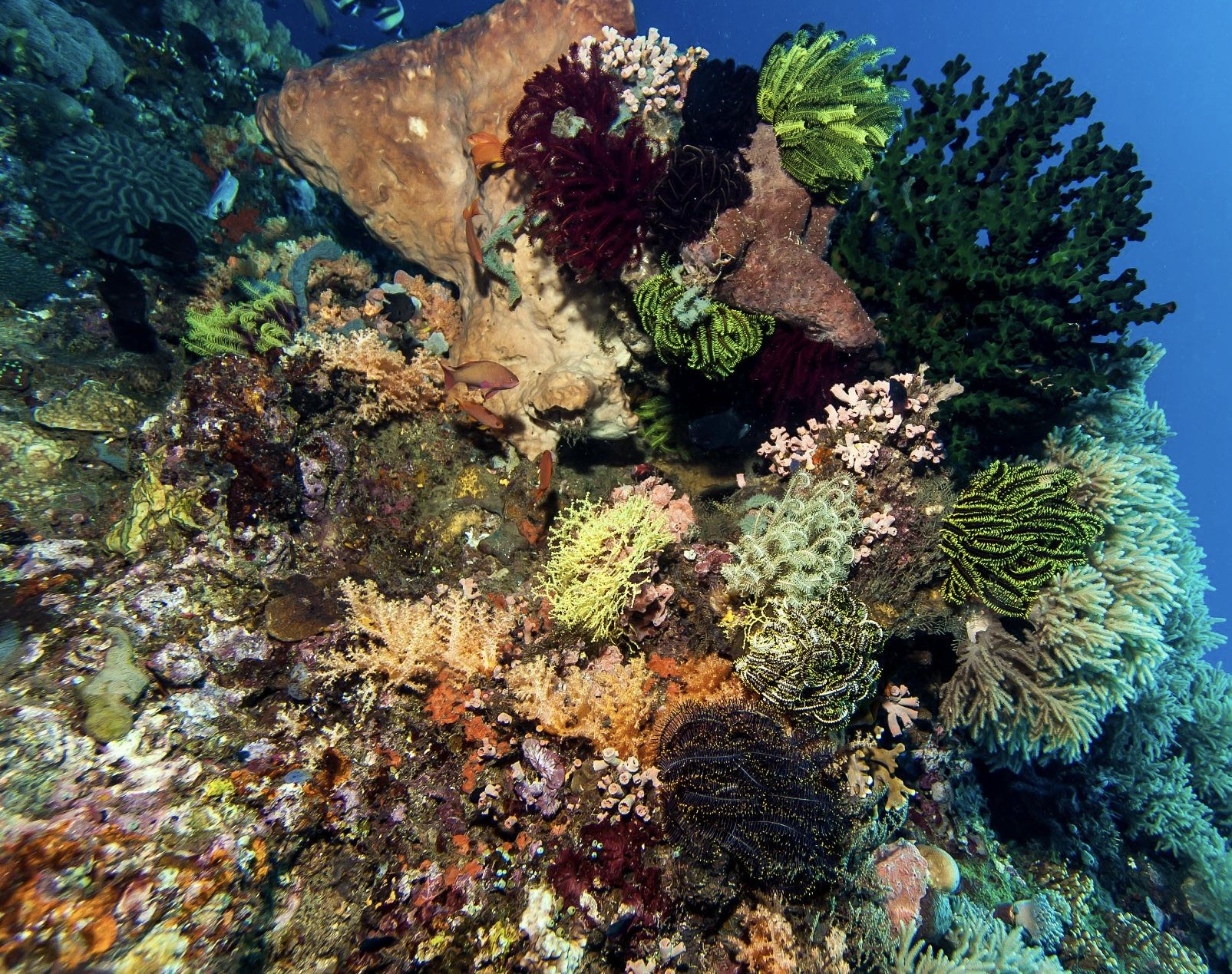
What stood out most was how intact the system felt. Fish density was high. Coral structures were complex and layered. Life occupied every available space, not as a spectacle, but as evidence that protection works when it is consistent.

The dive team moved with precision and calm, reinforcing that good diving is not about proximity, but about control, buoyancy, and patience.

Marine Protection Snapshot

  • Bunaken National Marine Park protects coral reefs, reef fish, turtles, and pelagic species
  • Steep reef walls support exceptional biodiversity and complex marine habitats
  • Protection limits destructive fishing, anchoring, and unregulated tourism
  • Healthy reefs act as nurseries, carbon sinks, and coastal protection systems
  • Long-term reef survival depends on enforcement, education, and responsible access

Marine protected areas preserve not just species, but entire living systems.

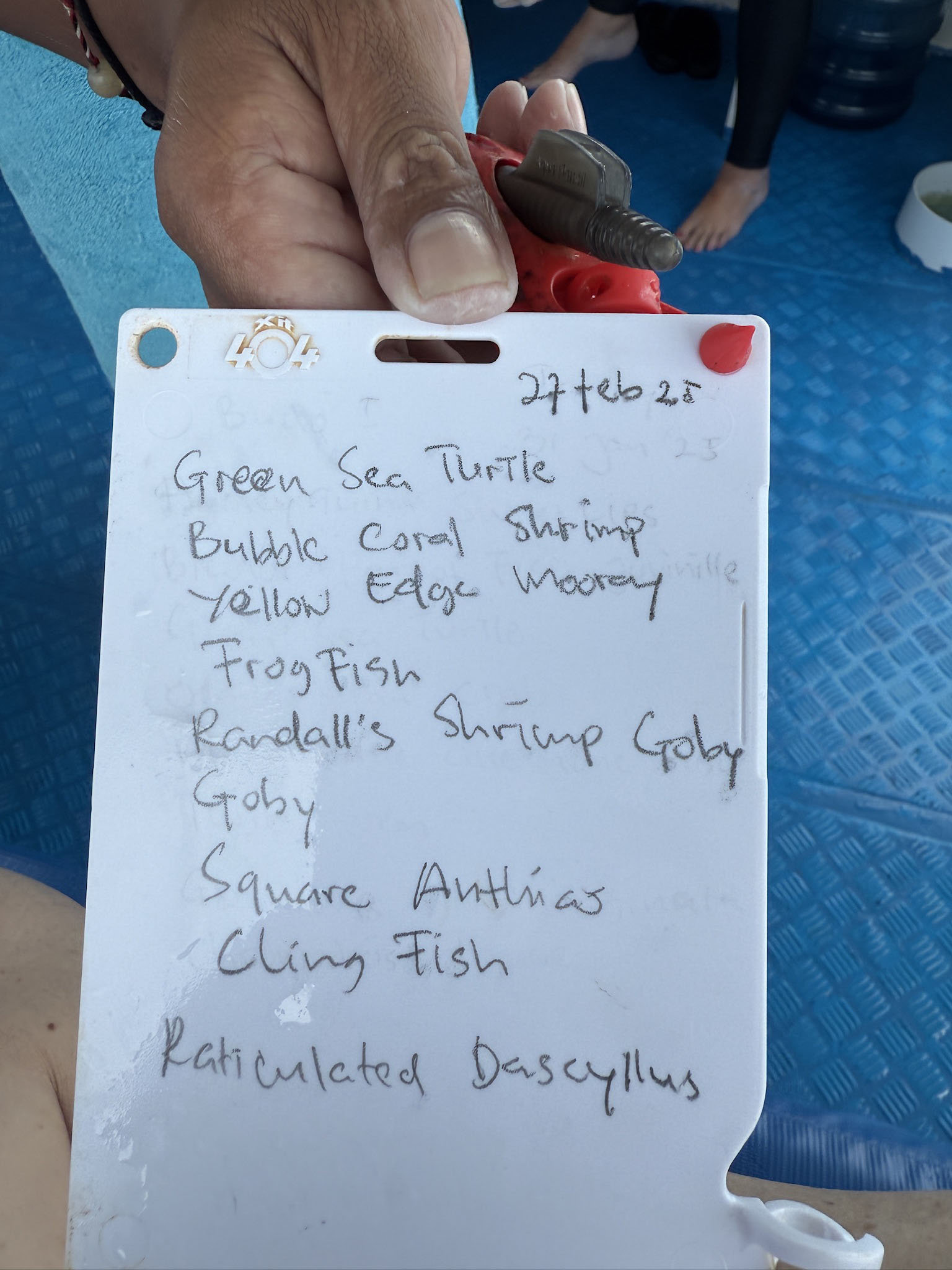
Reef Life Observed on This Dive

A snapshot of reef biodiversity observed on a single protected dive, illustrating how much life thrives when marine ecosystems are given space to recover and endure.

This visual record reflects the diversity made possible by conservation, not chance.


Looking Back / Looking Forward

Looking Back

For decades, coral reefs worldwide have suffered from overfishing, warming waters, pollution, and unregulated tourism. Many reef systems have collapsed quietly, without notice.

Looking Forward

Marine protected areas like Bunaken demonstrate what is still possible. When protection is enforced and access is intentional, reefs can remain resilient, complex, and alive.


Why This Still Matters

Coral reefs support ocean biodiversity, coastal stability, food systems, and climate balance. Their decline affects far more than marine life alone.

Protecting coral reefs is inseparable from protecting the oceans that sustain them, a responsibility reflected each year on World Oceans Day and carried forward through every meaningful conservation effort.


Ways to Help

  • Support marine protected areas and conservation initiatives
  • Choose dive operators committed to reef protection and education
  • Reduce plastic use and ocean pollution
  • Advocate for climate action that protects ocean systems
  • Share conservation-focused awareness beyond travel imagery

Closing Reflection

Coral reefs do not need to be accessed to be appreciated. They need time, space, and protection.

Being in the presence of a living reef inside a marine protected area is a reminder that when humans step back, ecosystems remember how to thrive.


National Bird Day

Honoring Life, Responsibility, and Care

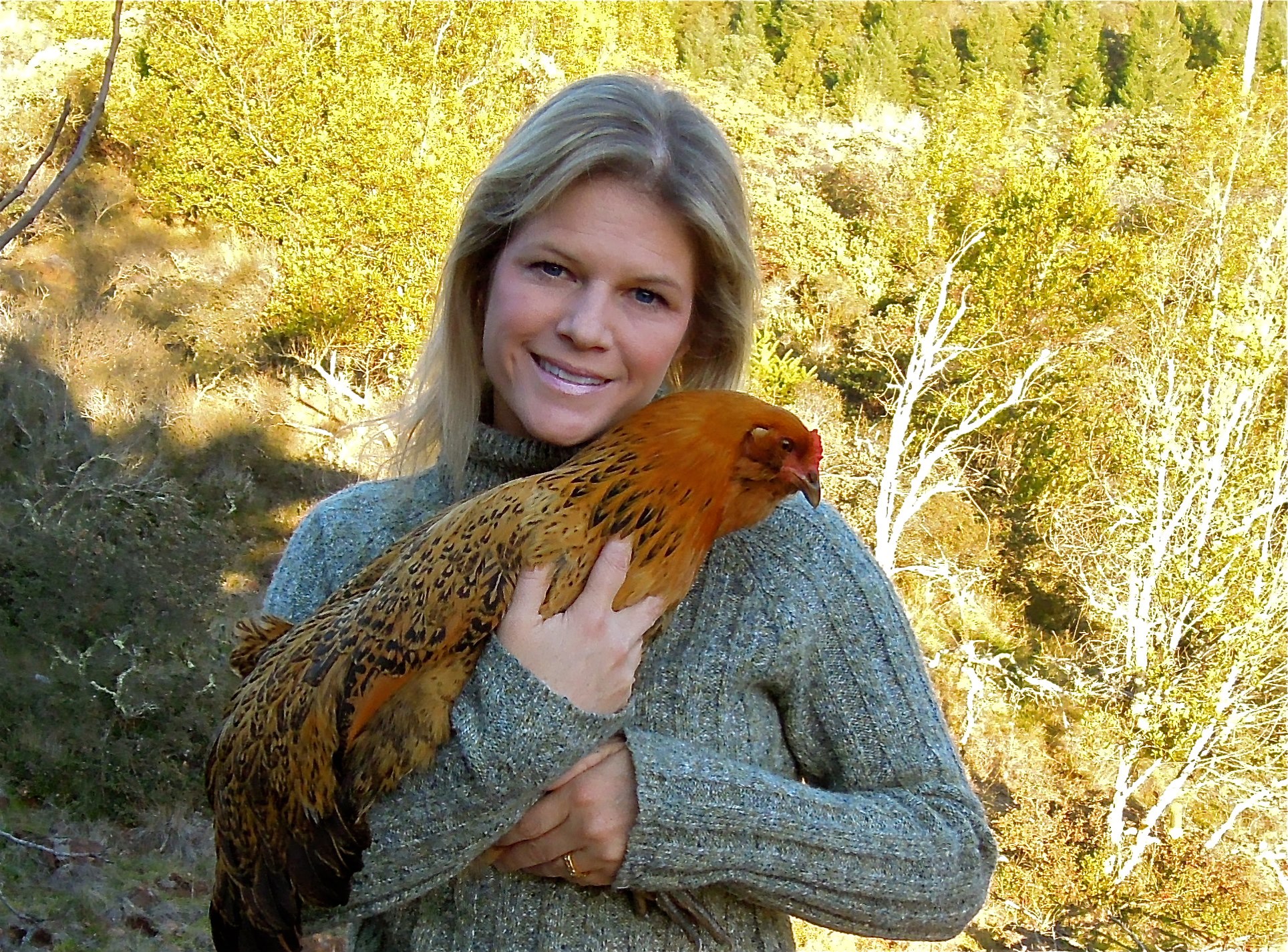
A memory captured years ago with one of my chickens. She’s been gone for a long time, but the lesson of connection remains.

Why National Bird Day?

National Bird Day is a reminder of how deeply birds are woven into our lives, our ecosystems, and our sense of place. From their songs at sunrise to their quiet presence in our backyards, birds connect us to the natural world in ways we often take for granted. This post is especially personal for me, as the photo shared here is of one of my beloved chickens, who has since passed. She was a companion, a teacher, and a daily reminder of how intelligent, expressive, and emotionally aware birds truly are.


    FOR YOUR AWARENESS

    Birds are not simply background creatures or symbols of freedom. They are highly intelligent animals capable of problem-solving, emotional bonding, communication, and grief. Yet many bird species both wild and domestic are impacted by habitat loss, industrial agriculture, climate change, and human exploitation. Even birds we see every day depend on healthy ecosystems and mindful human stewardship.


    Bird Conservation Snapshot

    • Birds play a critical role in ecosystems as pollinators, seed dispersers, and pest controllers
    • Habitat destruction is the leading cause of bird population decline worldwide
    • Climate change is shifting migration patterns and nesting seasons
    • Backyard and domestic birds are often overlooked in conservation conversations

    Bird conservation is not only about rare species; it’s about protecting the systems that allow all birds to thrive.


    Looking Back / Looking Forward

    Looking Back
    Birds have lived alongside humans for thousands of years as companions, messengers, symbols, and food sources. Domestic birds like chickens have been especially misunderstood, often valued only for production rather than recognized for their intelligence, memory, and emotional lives.

    Looking Forward
    Awareness today must include compassion and responsibility. How we care for domestic birds, protect wild habitats, and educate future generations will shape whether birds remain a living presence in our daily lives or become distant memories.


    Why This Still Matters

    Bird populations are declining globally, and their loss is an early warning sign of ecosystem imbalance. When birds disappear, it signals deeper environmental harm that ultimately affects all species, including humans. Protecting birds means protecting the delicate relationships that sustain life.

    Protecting birds is inseparable from protecting the habitats they rely on a responsibility reflected each year on World Habitat Day.


    Ways to Help

    • Support habitat preservation and native plant restoration
    • Keep cats indoors to protect wild birds
    • Avoid products that contribute to deforestation and habitat loss
    • Learn about ethical treatment of domestic and backyard birds
    • Teach children to respect birds as sentient beings, not decorations

    Small, thoughtful choices add up to meaningful change.


    Closing Reflection

    Birds teach us presence, resilience, and connection. Some come into our lives briefly, others stay for years, but all leave an imprint. Remembering and honoring them whether wild or domestic is one way we keep awareness alive and carry their lessons forward.


    In the Presence Of: Big Cats

    Admiration Is Not Protection

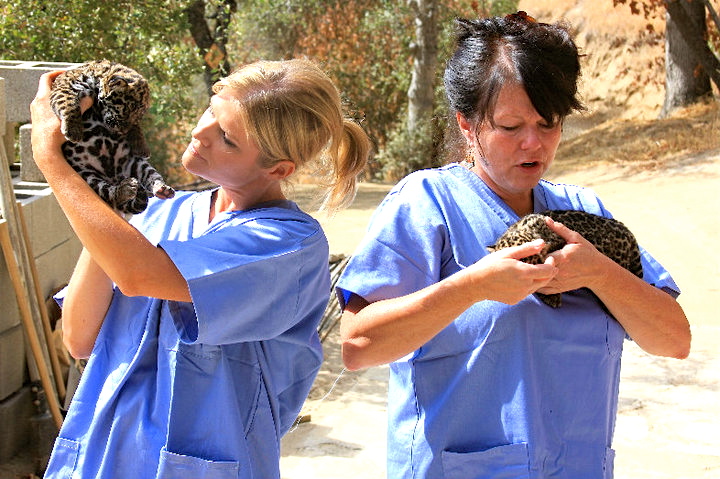
    Jungle Jenny with Wild Wendy at Cat Haven’s Project Survival, holding baby jaguars. Encounters like this carry responsibility far beyond the moment.

    About Big Cat Week

    Big Cat Week is a time to pause and reflect on the world’s most powerful predators: lions, tigers, leopards, jaguars, cheetahs, and other wild cats whose presence shapes entire ecosystems.

    Big cats are creatures of immense strength, focus, and restraint. Their power does not need enhancement. Their beauty is not created for display. Watching a big cat move through its environment resting, observing, or simply existing is a reminder that these animals are not here to perform. Their value is not measured by spectacle, proximity, or human access.

    Big Cat Week exists not to celebrate ownership or encounters, but to bring attention back to protection, distance, and respect.


    FOR YOUR AWARENESS

    Big cats continue to face mounting threats from habitat loss, fragmentation, illegal wildlife trade, and captivity misrepresented as conservation. While public fascination with big cats has never been higher, true protection depends on preserving wild ecosystems, not increasing human interaction.

    Facilities like Cat Haven’s Project Survival play an important role in conservation education by providing sanctuary care, public awareness, and advocacy for animals that cannot return to the wild. Ethical conservation prioritizes habitat protection, reduced human pressure, and long-term ecosystem health—not entertainment or constant access.


    Educational Insight from Cat Haven

    Cat Haven’s Project Survival provides an opportunity to learn about big cats through education, sanctuary care, and conservation awareness. This video offers insight into the work being done and the responsibility that comes with proximity to these animals.

    Education and conservation begin with understanding not access.

    Big Cat Conservation Snapshot

    Observed on site at Cat Haven’s Project Survival.

    • Big cats were housed in expansive, species-appropriate habitats designed to prioritize physical and psychological well-being
    • Human interaction was limited and structured, with no performances, handling, or forced behaviors
    • Animals were not bred for entertainment or public contact
    • Education focused on species status, habitat loss, and conservation realities rather than spectacle
    • The facility emphasized distance, observation, and respect over access or novelty
    • Conservation messaging centered on ecosystem protection, not ownership or proximity

    Ethical big cat conservation prioritizes habitat preservation, autonomy, and reduced human pressure.


    The Observation

    Standing near a big cat without attempting interaction sharpens awareness rather than diminishing it. There is no need for movement, sound, or display to confirm presence. Stillness alone communicates strength.

    At Cat Haven, the absence of performance was the point. The cats were not presented for engagement, and nothing was asked of them. Observation happened quietly, on their terms, with space maintained and expectations removed.

    What became clear is that admiration alone does not protect wildlife. Without habitat, corridors, and long-term conservation strategies, even the most revered species disappear.

    True conservation begins where human desire ends.


    Looking Back / Looking Forward

    Looking Back
    Big cats have always captured human fascination with their power, beauty, and mystery combined.

    Looking Forward
    Today, awareness must include ethical discernment. Not all encounters, facilities, or narratives support conservation. Protection begins with understanding when admiration becomes interference.


    Why This Still Matters

    Big cats are apex predators. Their survival maintains balance across entire ecosystems. When big cats disappear, landscapes unravel affecting prey species, vegetation, waterways, and even human communities.

    Protecting big cats means protecting entire living systems, not just individual animals. Their survival is inseparable from the vast habitats they require, a responsibility reflected each year on World Habitat Day.


    Ways to Help

    • Support conservation organizations and accredited sanctuaries like Cat Haven
    • Learn to distinguish ethical wildlife education from exploitation
    • Avoid attractions that encourage direct contact with big cats
    • Advocate for habitat protection and wildlife corridors
    • Share conservation-focused awareness that centers respect over spectacle

    Closing Reflection

    Respecting big cats means allowing them to remain wild — even when distance is required. True admiration honors their autonomy, their space, and their role in the natural world.

    Protection is not passive. It is an intentional choice.


    World Habitat Day

    Protecting Places Protects Life

    About World Habitat Day

    World Habitat Day is observed each year to reflect on the condition of the places where wildlife and people live, and to highlight the importance of protecting natural environments that sustain life on Earth.

    Habitat loss remains the leading cause of species decline worldwide. Forests, wetlands, grasslands, coral reefs, and coastal ecosystems continue to be fragmented or destroyed by development, resource extraction, and climate pressure. When habitats disappear, wildlife loses not only shelter, but access to food, migration routes, and long-term survival.


    Habitat Conservation Snapshot

    • Habitat loss is the primary driver of global biodiversity decline
    • Over 75% of land-based environments have been significantly altered by human activity
    • Wetlands have declined by more than 85% in some regions
    • Forest fragmentation continues to isolate wildlife populations
    • Climate change increasingly compounds habitat stress through drought, fire, and flooding

    These figures reflect both progress and vulnerability, showing that conservation works only when there is long-term commitment.


    FOR YOUR AWARENESS

    Habitat protection is not a single-issue concern. It underpins every conservation effort, from endangered species recovery to climate resilience and food security.

    Protecting animals without protecting the places they live is not possible.
    Habitat is the foundation of biodiversity.


    Looking Back / Looking Forward

    Looking Back
    World Habitat Day was established to bring attention to the rapid transformation of natural landscapes and the long-term consequences of unchecked development. Early conversations focused largely on urban growth and human settlement.

    Looking Forward
    Today, habitat protection is recognized as a global priority for both wildlife and people. Conservation now emphasizes ecosystem connectivity, protected corridors, and land-use decisions that balance human needs with ecological survival.

    The future of conservation depends on protecting entire systems, not isolated species.


    Why This Still Matters

    Healthy habitats regulate climate, filter water, support food systems, and sustain biodiversity. When habitats degrade, the effects ripple outward, impacting ecosystems and communities far beyond their borders.

    Protecting habitat is one of the most effective ways to protect wildlife at scale.


    Ways to Help Protect Habitat

    • Support land and habitat conservation organizations
    • Advocate for responsible land-use policies
    • Reduce consumption that drives deforestation and habitat loss
    • Support habitat restoration and protection initiatives
    • Learn about local ecosystems and how to protect them

    Every protected place strengthens the web of life.


    Closing Reflection

    Saving wildlife always begins with saving the places they call home.


    World Rhino Day

    Protection Beyond Myths

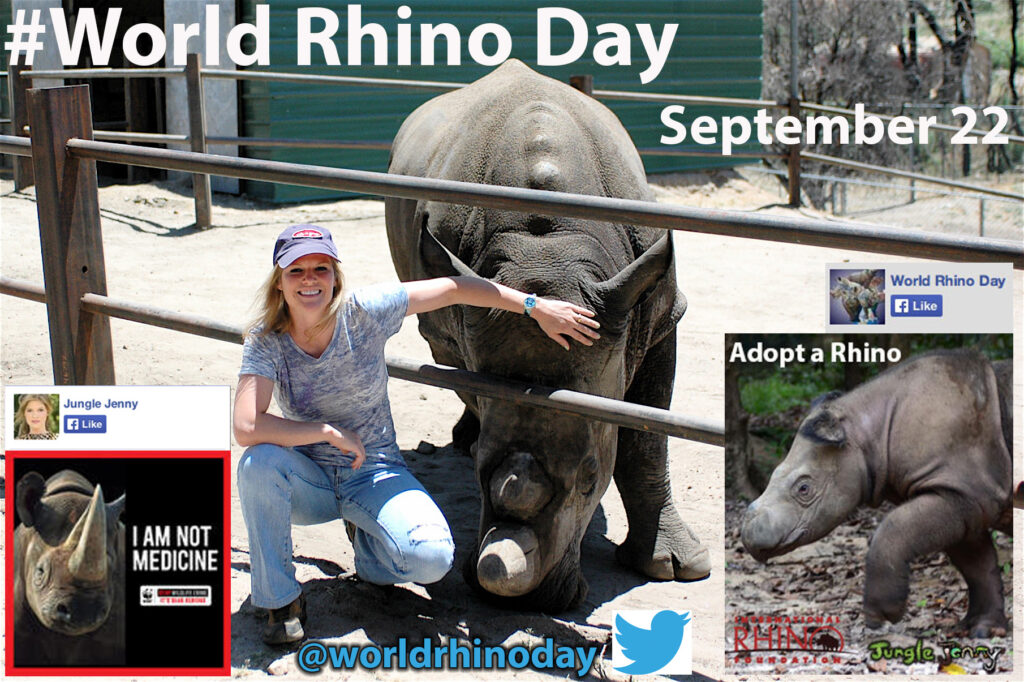
    The photograph above was taken at a sanctuary in Los Angeles, where rescued wildlife are cared for as ambassadors for education, not entertainment.

    About World Rhino Day

    World Rhino Day is not about admiration or symbolism. It is about confronting the reality that rhinos continue to be killed for a myth one that has no basis in medicine, science, or tradition.

    Across Africa and Asia, five rhino species remain under constant threat from poaching driven by misinformation, illegal trade, and demand rooted in belief rather than truth. Protection begins not with fascination, but with education, enforcement, and the willingness to challenge long-standing myths that continue to cost lives.


    Observation

    Observed through conservation education and field awareness

    Encounters with rhinos whether in sanctuaries, reserves, or protected environments carry weight. These animals move slowly, deliberately, and with a presence that reflects both strength and vulnerability. What becomes clear in proximity is not power, but fragility.

    Rhinos do not survive on resilience alone. Their future depends on human restraint, protection of habitat, and the elimination of demand that treats living beings as commodities.


    FOR YOUR AWARENESS

    Rhino horn has no medicinal value. It is made of keratin the same material as human fingernails.

    Continued poaching is driven by misinformation, illegal wildlife trade, and cultural myths that persist despite decades of scientific evidence to the contrary. Education is one of the most effective tools in reducing demand and protecting remaining populations.


    Rhino Conservation Snapshot

    • Five species of rhino remain worldwide: Black, White, Greater One-Horned, Sumatran, and Javan
    • South Africa is home to approximately 83% of Africa’s remaining rhinos
    • Poaching escalated dramatically after 2006, driven by illegal horn markets
    • Habitat loss and fragmentation compound poaching pressure
    • Long-term conservation success depends on law enforcement, education, and demand reduction

    These realities reflect both urgency and opportunity. Protection works—but only when sustained and supported.


    Looking Back / Looking Forward

    Looking Back
    Rhinos have long symbolized strength, endurance, and ancient lineage. For centuries, they have shaped ecosystems through grazing and movement, influencing landscapes far beyond their size.

    Looking Forward
    Their survival now depends on education, enforcement, and eliminating demand fueled by false beliefs. The future of rhinos will be decided not by admiration, but by action.


    Why This Still Matters

    Rhinos are ecosystem engineers. Their disappearance alters grasslands, water access, and the balance of entire environments.

    Protecting rhinos means protecting living systems, not just a single species. Their survival reflects our ability to choose truth over myth and responsibility over exploitation.

    Protecting rhinos is inseparable from protecting the landscapes they shape, a truth recognized each year on World Habitat Day and reflected in every ecosystem they help sustain.


    Ways to Help

    Support rhino conservation organizations and accredited sanctuaries

    Contribute to anti-poaching and habitat protection initiatives

    Help stop wildlife crime by supporting petitions and policy efforts

    Share accurate information to counter myths about rhino horn

    Engage in conservation-focused education year-round, not only on awareness days


    Closing Reflection

    Protection begins when myth ends.

    Truth, education, and long-term commitment remain the most powerful tools we have to ensure rhinos continue to exist not as symbols, but as living beings shaping the landscapes they belong to.


    National Wildlife Day

    Why Awareness Must Be Ongoing

    Wildlife exists beyond our view every day, not just on awareness dates.

    About National Wildlife Day

    National Wildlife Day serves as a reminder that wildlife protection is not seasonal, symbolic, or confined to a single moment in time. It brings attention to the growing number of endangered species both nationally and globally, while also acknowledging the critical role that ethical sanctuaries, conservation organizations, and educators play in protecting animals and ecosystems.

    Awareness days matter, but they only hold meaning when they point us toward sustained responsibility rather than momentary recognition.


    FOR YOUR AWARENESS

    National Wildlife Day is not about a single species or a single event. It exists to remind us that wildlife protection requires consistent attention, ethical choices, and long-term commitment, even when animals are out of sight and no longer trending.

    Awareness is only meaningful when it continues beyond the calendar.


    Observation Snapshot

    Observed Across Multiple Sanctuaries and Encounters

    • Wildlife experiences vary widely in quality, ethics, and impact
    • Not all encounters support conservation, even when well-intentioned
    • Education and restraint are more protective than access or proximity
    • Long-term habitat protection matters more than momentary interaction

    Consistency in care and accountability is what separates conservation from spectacle.


    Looking Back / Looking Forward

    Looking Back
    When this post was first written, National Wildlife Day felt like an opportunity to pause and reflect on the beauty and vulnerability of wildlife around the world.

    Looking Forward
    Today, it feels even more important to move beyond reflection and toward responsibility supporting conservation efforts that protect ecosystems, reduce conflict, and allow wildlife to exist without constant human pressure.


    Why This Still Matters

    Wildlife does not operate on schedules or awareness days. Habitat loss, climate change, pollution, and human expansion affect animals continuously.

    Protecting wildlife means staying engaged even when it is inconvenient and advocating for protection that prioritizes ecosystems over access.


    Ways to Help

    • Support conservation organizations working directly in the field
    • Protect habitats locally and globally
    • Share accurate, science-based information
    • Make ethical choices that reduce harm to wildlife

    Closing Reflection

    Speaking up for wildlife is not a one-day action.
    It’s a practice rooted in awareness, restraint, and respect.